The Goonies came out in 1985 and people still watch it. National Treasure turned into two movies and a TV series. Outer Banks has spent a few seasons building its story around buried treasure, old maps, family secrets and teenagers making terrible decisions in search of gold.
Different stories, same setup. Somebody finds a clue. Somebody figures out there’s something valuable hidden out there. And somebody decides it’s worth risking everything to go get it.
Usually, that something is gold. So why gold? And why do we never get tired of watching people go looking for it?
Why Gold Is The Treasure Everyone Wants
Nobody has to explain gold to you. Someone opens a chest full of gold coins and you get it right away. Nobody’s ever sat through a movie where the big discovery was a chest full of steel.
People have valued gold for thousands of years. It’s been used as money, made into jewellery, traded between countries and handed down through families. A pile of gold coins works just as well in a story set 300 years ago as it does in one set today.
It also lasts. Iron rusts. Plenty of other metals corrode. Gold doesn’t. It can sit buried in the ground or at the bottom of the ocean for centuries and still be gold when someone finds it. It might be dirty or scratched up, but the metal itself holds up remarkably well.
Gold can also be turned into just about anything: coins, bars, rings, necklaces. Melt it down and it can become something completely different. The gold in a ring sitting in your jewellery box today might have been part of something else hundreds of years ago. There’s no easy way to know where it’s been or what it used to be. That’s part of the appeal. A piece of gold can have a long history, even if it looks like an ordinary ring.
Canada’s Gold Rush Was Real
You don’t need Hollywood to find stories about people risking everything for gold. Canada has its own, including the Klondike Gold Rush. Gold was discovered in the Klondike region of Yukon in 1896. When word got out, thousands of people headed north hoping to strike it rich. Estimates suggest around 100,000 set out for the goldfields, but only about 30,000 to 40,000 made it there.
The trip itself was brutal. People crossed mountain passes, dragged supplies through rough country and spent a fortune just getting there. The North-West Mounted Police required stampeders entering the Yukon to carry enough food and equipment to survive for a year. That meant hauling roughly a tonne of supplies over the mountain passes. Most people couldn’t carry everything in one trip, so they went back and forth, hauling load after load up steep, difficult trails. And that was all before they even started looking for gold.
Once they arrived, there was no guarantee they’d find anything. Some struck it rich. Plenty of others went home with very little, and some never made it home at all. Still, the possibility was enough to get people moving. They left their jobs, spent their savings and headed into a part of the country they’d never seen, all because there was gold up north.
It’s not so different from the stories we watch now. Somebody hears about something valuable, starts imagining what finding it could mean and decides the risk is worth taking. The difference is that nobody in the Klondike had a script. They were betting their futures on something they might never find.
Real Gold Doesn’t Look Like It Does In The Movies
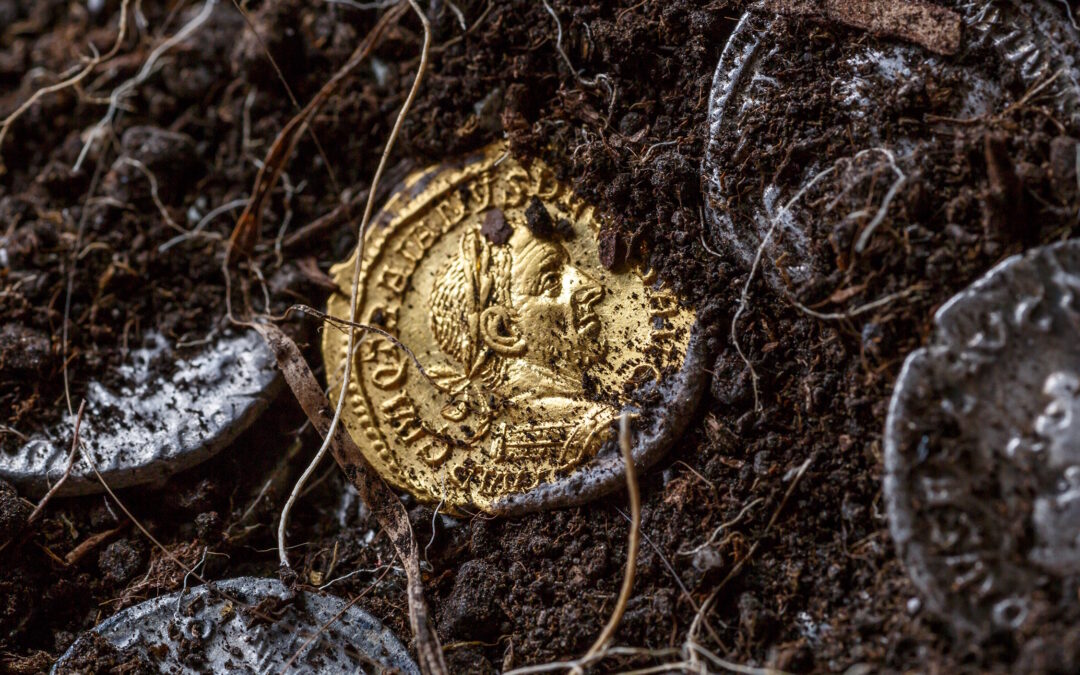
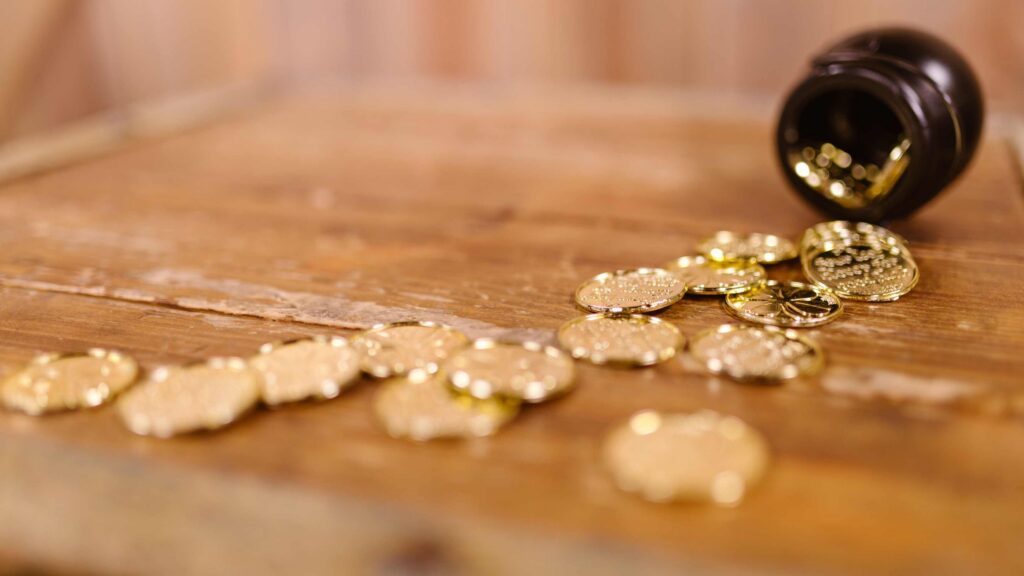
Here’s one thing movies tend to get wrong: what gold actually looks like. A character opens a chest that’s been buried for 300 years, and inside are rows of shiny coins without a speck of dirt on them. They look like they just left the mint.
Real gold isn’t quite so dramatic. In nature, gold is often found mixed with rock, quartz and other minerals. Nuggets come in all sizes, and some are tiny. Flakes and gold dust can be easy to miss if you don’t know what you’re looking for. To someone who isn’t familiar with raw gold, a small nugget might not look like much at all.
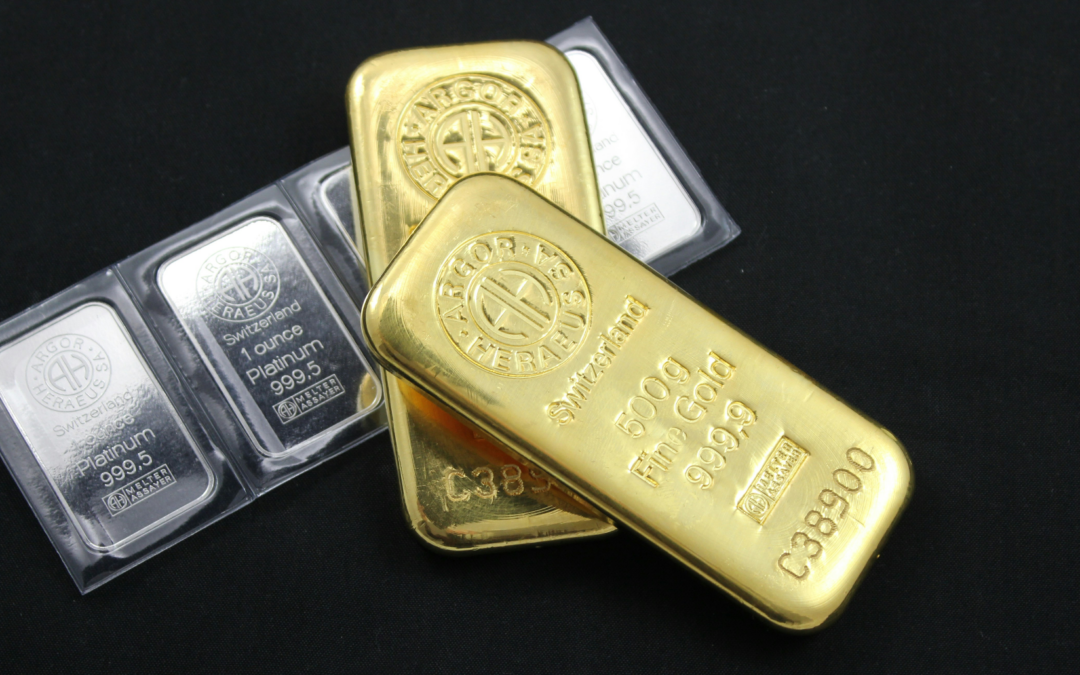
Before gold becomes a bar, coin or ring, it goes through processing and refining to separate it from other materials and reach the desired level of purity. A refined gold bar might be marked 99.99% pure. Even after all that processing, the gold itself hasn’t changed. It’s the same element people have been digging up, melting down and turning into something new for thousands of years. That old coin in a treasure chest and the bar in a display case might look nothing alike. But the reason people value them comes down to the same metal.
You Might Have A Little Treasure Of Your Own
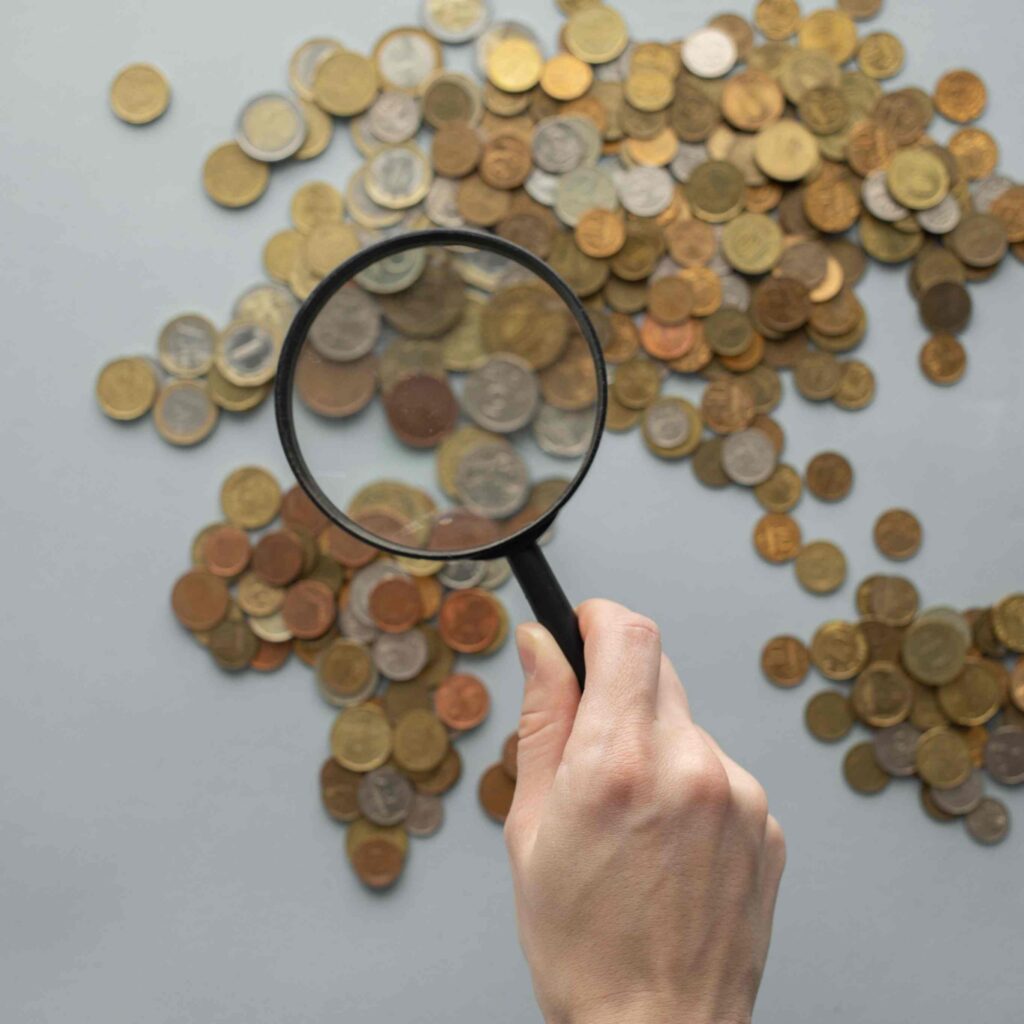
Maybe that’s the appeal of these stories. There’s always the possibility that something valuable is out there, waiting to be found. In a cave, at the bottom of the ocean or buried somewhere nobody has thought to look.
You’re probably not going to find a pirate’s chest in your backyard, but there’s a decent chance you’ve got something worth a closer look. Think about what’s sitting in your jewellery box. An old chain you haven’t worn in years. A ring passed down through your family. A bracelet you forgot you had. Maybe there are gold or silver coins tucked away in a drawer, or a handful of pieces you’ve kept without really knowing what they’re worth.
If you’re curious, here are a few things to look for.
- Check for stamps. Gold jewellery is often marked 10K, 14K, 18K or 24K. Sterling silver is commonly marked 925. These stamps can be tiny, so check the clasp, the inside of a ring or the back of a pendant. Keep in mind that a stamp is a useful clue, not a guarantee of what a piece is made of.
- Don’t toss the broken stuff. A tangled chain, a bent ring or a single earring can still have value. The condition of the jewellery doesn’t necessarily determine the value of the metal.
- Leave old coins alone. It’s tempting to polish up a tarnished coin, but cleaning it can damage its surface and reduce its collector value. If you think you have something old or unusual, leave it as is until it’s been assessed.
You don’t need to know exactly what you have before bringing it in. That’s the point of getting it evaluated. At Canada Gold, you can bring in gold jewellery, coins, silver and other precious metals for a free evaluation. Our team will assess your items, explain what they’re seeing and give you a clear offer if you’re interested in selling. There’s no obligation to accept it.
And if you’d rather add to your collection than sell what you own, visit one of our locations across Canada to explore buying gold and silver, too.
You probably won’t uncover a lost pirate’s fortune, but before deciding that old jewellery is worthless, it might be worth finding out.