Before Canada had a familiar system of coins and banknotes, the country faced the challenge of creating a unified currency after Confederation in 1867. One of the earliest solutions was a small paper note that would become one of the most recognizable pieces of Canadian currency history: the 25-cent “shinplaster.” These unusual notes were originally intended as a temporary replacement for small-denomination coins, but they became so popular that they remained in circulation for more than six decades.
What is a Canadian Shinplaster?
A shinplaster is the nickname given to Canada’s 25-cent fractional currency notes issued by the Dominion of Canada. The first Canadian shinplasters were released in 1870 during a shortage of silver coins. The government needed a practical way to provide small change while waiting for newly ordered Canadian coinage, so it introduced paper notes valued at one-quarter of a dollar.
Although they were originally meant to be temporary, Canadians quickly accepted these small notes for everyday transactions. New designs were later introduced in 1900 和 1923, meaning collectors today generally recognize three major issues of Canadian shinplasters: the 1870 issue, the 1900 issue, and the 1923 issue.
Where Did the Name “Shinplaster” Come From?
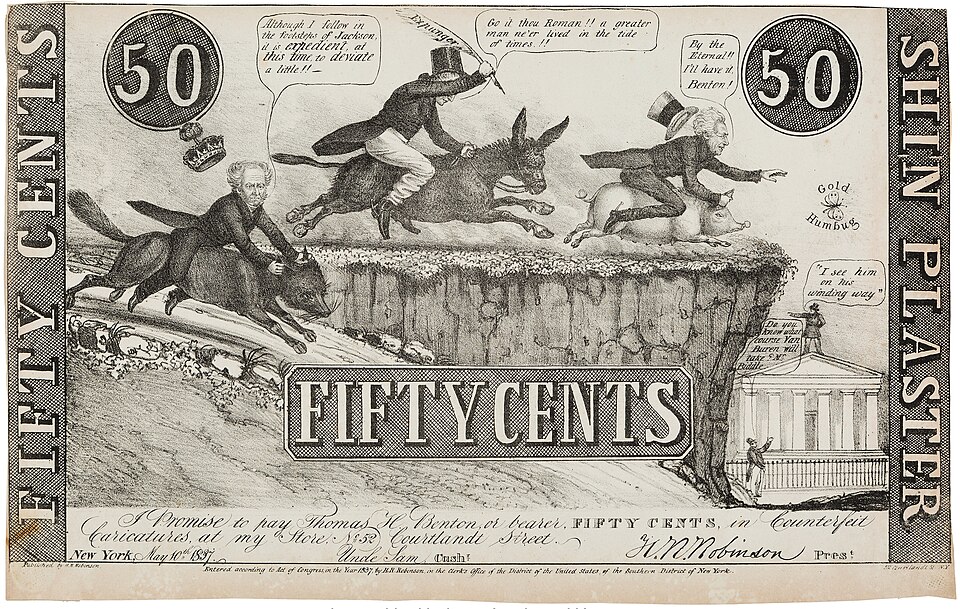 Mock “Shinplaster” – New York, 1837
The unusual nickname has a long history. The term “shinplaster” was used in North America before Canadian 25-cent notes appeared and was often associated with low-denomination paper currency. One commonly accepted explanation is that soldiers during earlier periods used small pieces of paper as makeshift padding inside their boots to protect their legs from rubbing and irritation, similar to a plaster used on the shin. Eventually, the term became associated with small-value paper money.
In Canada, the nickname became strongly connected with the Dominion of Canada’s 25-cent notes and remains one of the most memorable terms in Canadian numismatics today.
Different Types of Canadian Shinplasters
1870 Shinplaster
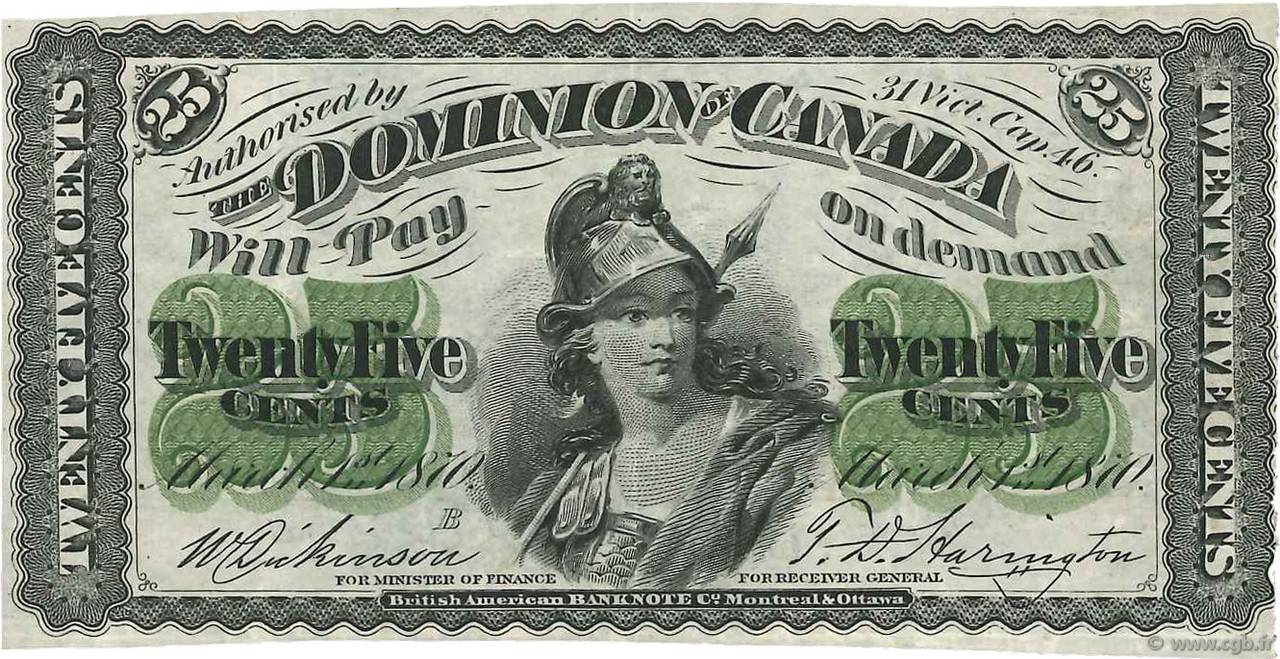
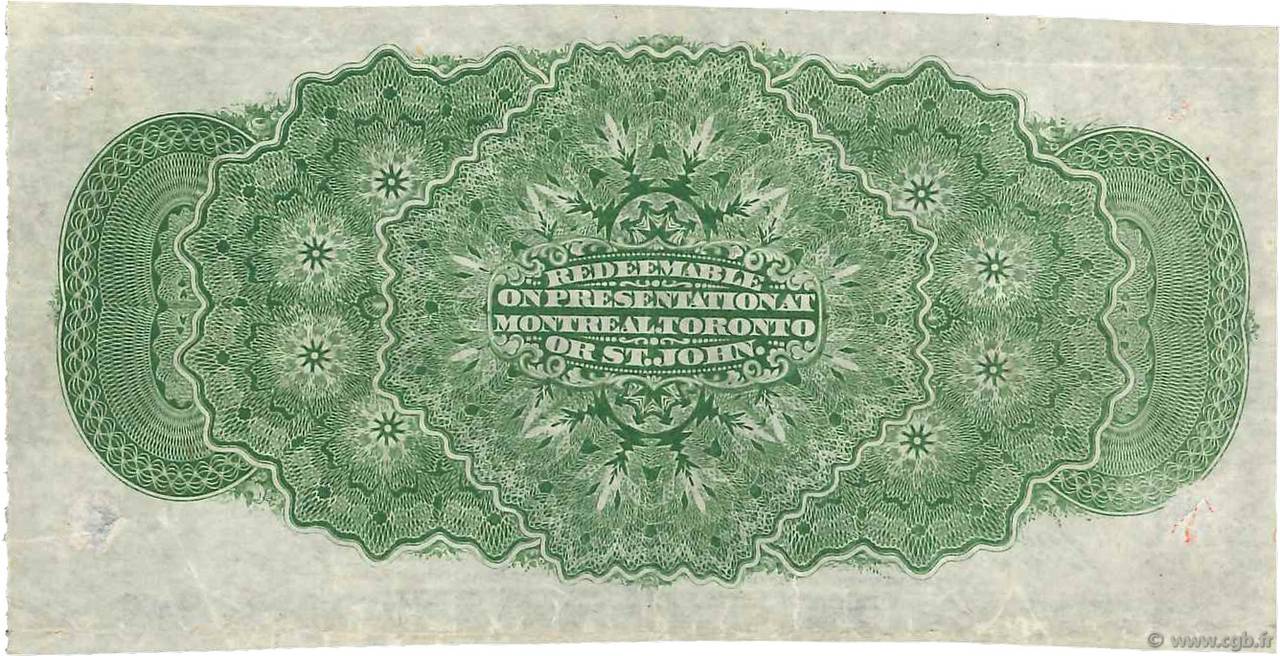
The first Canadian shinplaster was issued on March 1, 1870. This design featured Britannia on the front and included the wording that the note was redeemable at locations including Montréal, Toronto, and Saint John. These early examples were printed by the British American Bank Note Company.
Collectors recognize several varieties of the 1870 issue. Differences include series letters and printing varieties, such as the A, B, and C series. Some varieties, including early Series A examples, are considerably scarcer and can command higher prices among collectors.
1900 Shinplaster
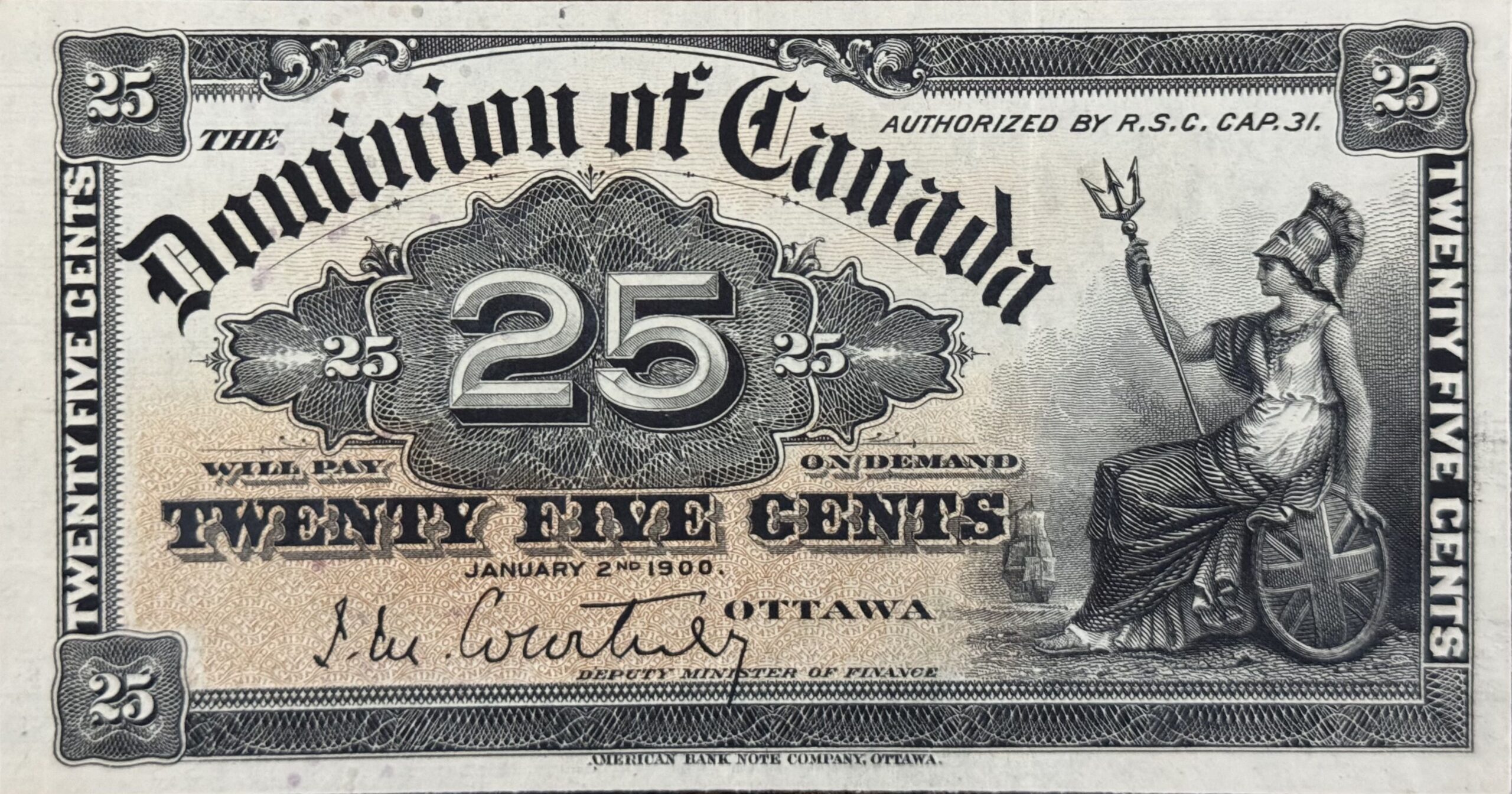
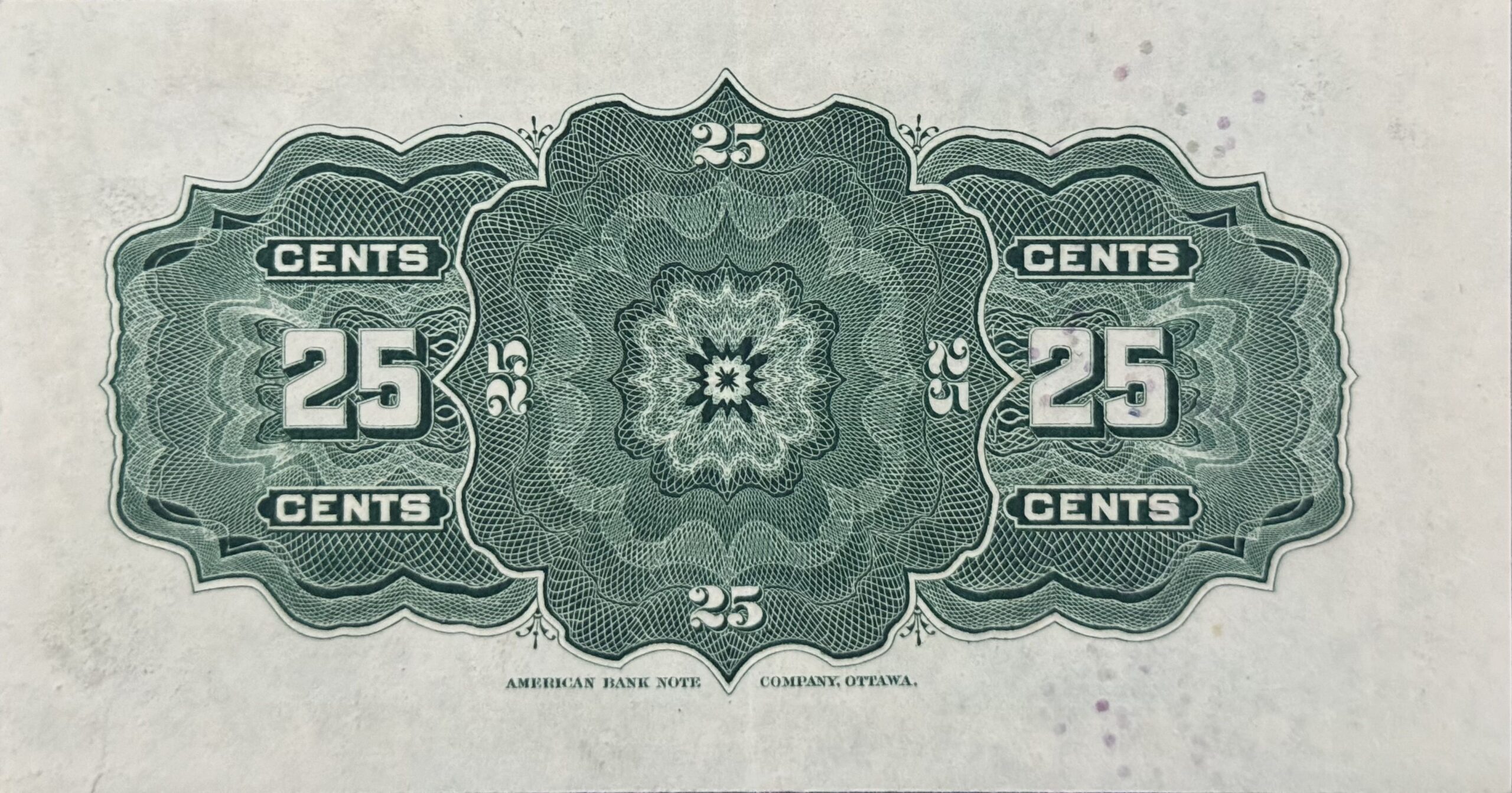
的 1900 issue introduced a redesigned appearance featuring Britannia seated with a shield and trident. These notes were printed by the American Bank Note Company and were also produced without serial numbers, and collectors often identify varieties by the signature of the Deputy Minister of Finance. Two commonly collected signature varieties are associated with J.M. Courtney 和 T.C. Boville.
Some collectors also refer to differences in printing characteristics and colour variations when identifying these notes. While examples may appear with different shades due to age, storage conditions, and printing differences, the most important identifying factors are typically the date, signature variety, and overall condition.
1923 Shinplaster
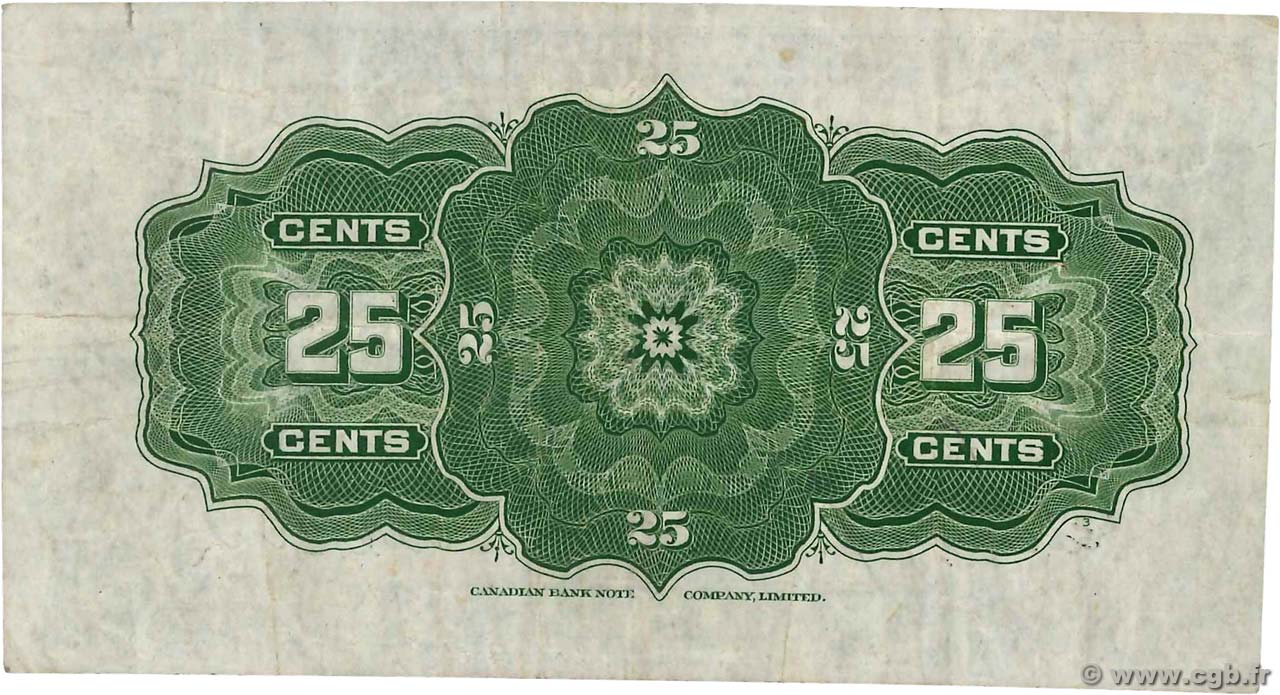
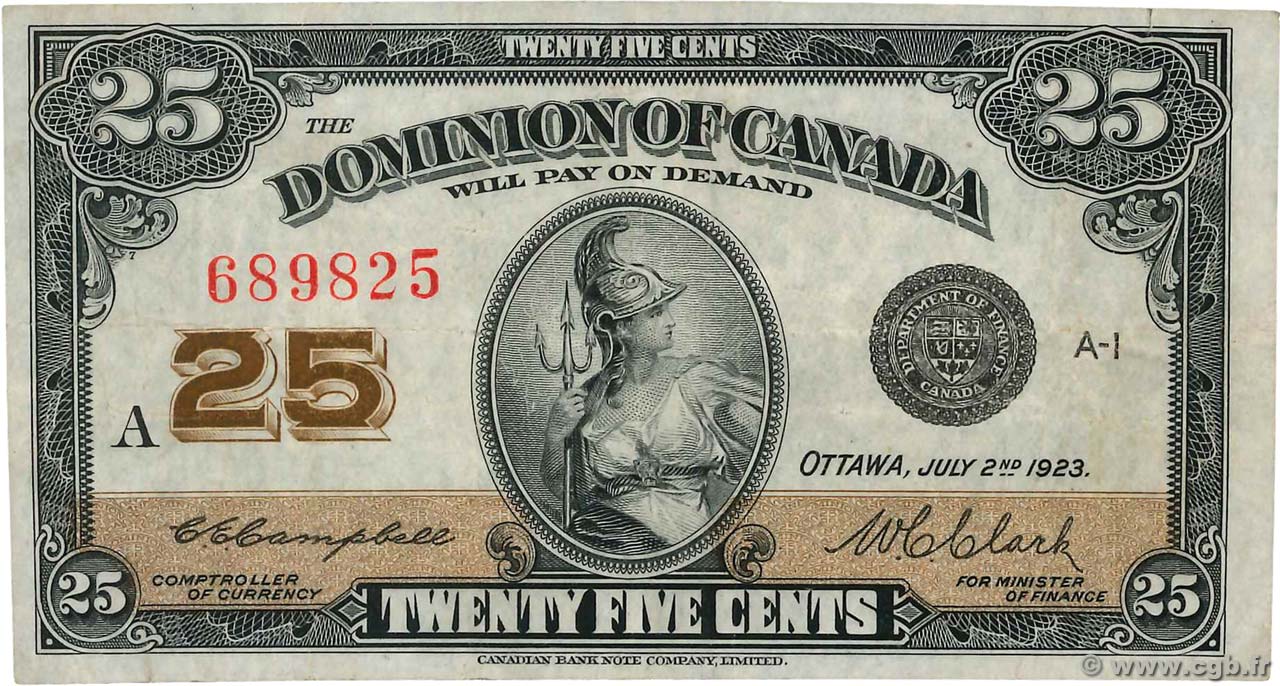
The final Canadian shinplaster design was introduced in 1923 and was printed by the Canadian Bank Note Company. It remained in circulation until the creation of the Bank of Canada in 1935. Unlike earlier issues, the 1923 notes featured serial numbers, making them distinct from the previous designs.
The 1923 issue is also available in several signature varieties, with different combinations of officials’ signatures representing distinct printings that collectors use to identify and value the notes. Examples with stronger eye appeal, fewer flaws, and better preservation are generally more desirable.
How is the Value of a Shinplaster Determined?
Like most collectible currency, the value of a Canadian shinplaster depends on several factors rather than simply its age. Three of the most important considerations are year, condition, and variety.
Year: Earlier issues, particularly certain 1870 varieties, can be more valuable due to scarcity and collector demand. Later issues are often easier to find, although rare varieties can still command significant premiums.
Condition: Condition is one of the biggest factors affecting value. A note with crisp paper, strong colour, clean edges, and minimal folds will generally be worth more than one that is heavily worn, stained, torn, or damaged.
Variety: Signature combinations, series letters, printing differences, and other small details can separate an ordinary example from a rare collectible. Identifying these varieties often requires experience and specialized references used by paper money collectors.
Collectors also consider factors such as rarity, historical significance, and overall demand within the Canadian currency market.
A Piece of Canadian History
Canadian shinplasters represent an important chapter in the development of Canada’s financial system. What began as a temporary solution to a coin shortage became a beloved piece of Canadian currency history. Today, these small 25-cent notes are collected not only for their monetary value but also because they provide a direct connection to Canada’s early years.
If you have an old shinplaster, Dominion of Canada note, or other historic Canadian currency tucked away, it may be worth having it professionally assessed. Our team at Canada Gold can help evaluate old currency, precious metals, coins, and other collectibles to help determine what you may have. Visit a Canada Gold location to learn more about the items we buy and sell, and to have your Canadian currency collection reviewed by knowledgeable specialists.