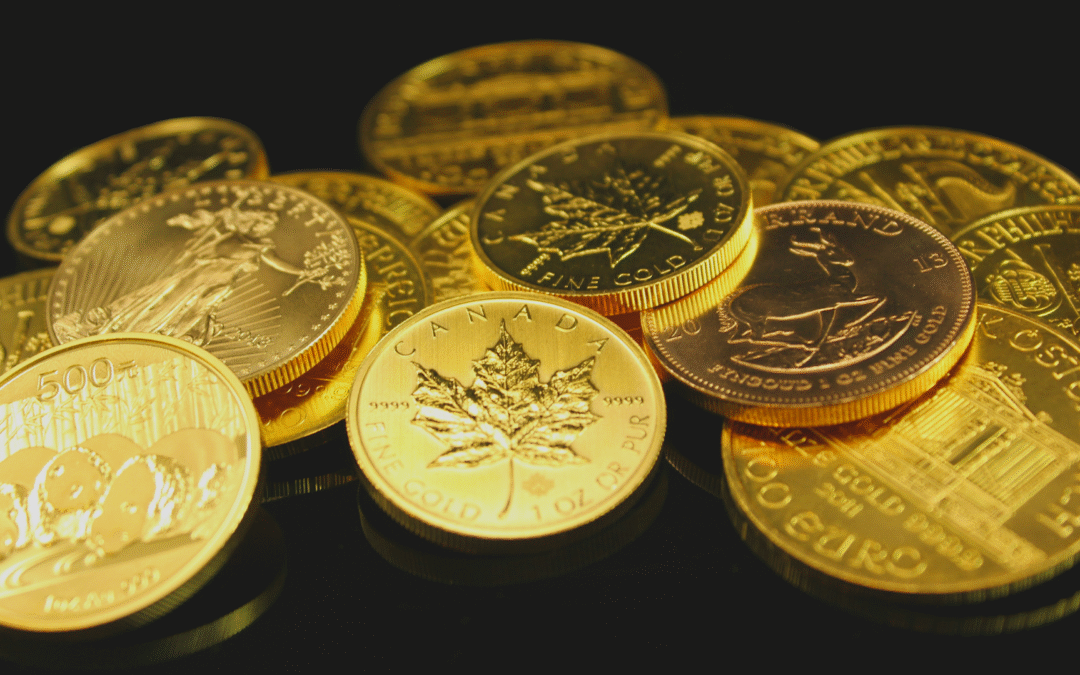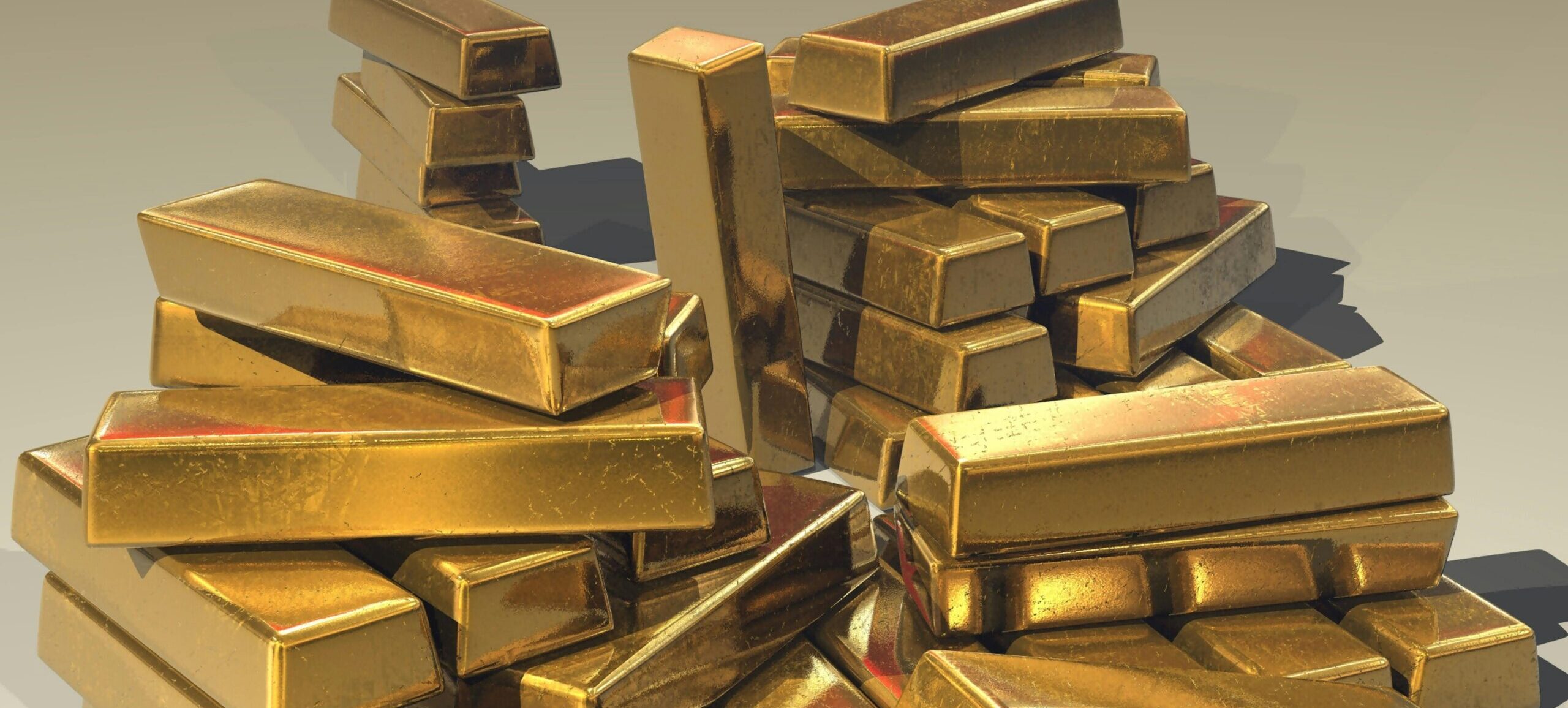
The gold standard was a monetary system where a country’s currency was directly tied to a fixed amount of gold. Under this system, paper money could be exchanged for gold, meaning the supply of money was limited by a nation’s gold reserves. Because most currencies were tied to gold, exchange rates between countries remained stable.
From its early foundations to its global influence and eventual decline, this article explores the evolution of the gold standard, the key moments that shaped its rise and fall, and why gold continues to be a popular choice for investors seeking stability.
The Rise: A System Built on Trust and Stability
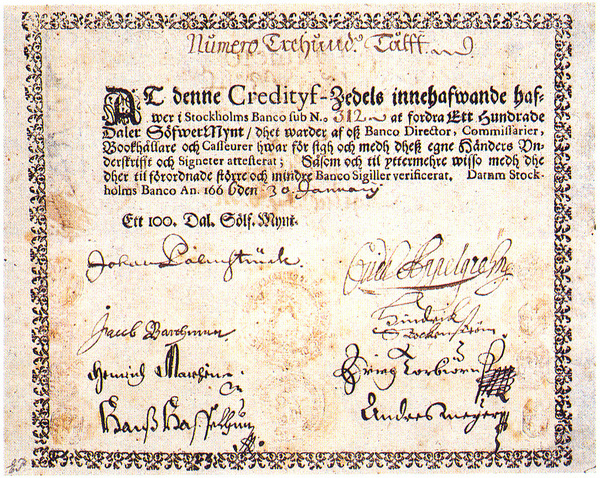
The first paper money in Europe, issued by the Swedish Stockholms Banco in 1666.
The gold standard began to take shape in the late 1600s and early 1700s, as economies gradually shifted from physical coins to paper money. While paper currency offered greater convenience, it lacked the inherent value of coins made from precious metals. As a result, it required a separate and reliable way to maintain its value and earn public trust.
This is where gold came in. By backing paper money with a physical asset, governments could ensure that currency held consistent value and could not be easily overproduced.
England was the first country to officially adopt the gold standard in 1819. As global trade expanded throughout the 1800s, other nations recognized the benefits of a stable and predictable monetary system and followed suit. The scarcity of gold, its durability, and global acceptance made it the ideal choice for currency backing during this period.
The Peak: A Global Monetary System Takes Hold

Obverse of an 1870 $5 National Gold Banknote issued by the First National Gold Bank of San Francisco, California.
Between 1871 and 1914, most of the world’s leading economies adopted gold-backed currencies. This is often referred to as the classical gold standard era.
In the United States, the system developed with key steps such as the Coinage Act of 1834 and the Gold Standard Act of 1900, which formally committed the country to gold-back currency. The U.S. dollar became fully convertible into gold, increasing confidence in domestic and international markets.
The gold standard also functioned as a natural balancing system. Countries running trade deficits would lose gold, reducing their money supply and lowering prices. At the same time, countries with a trade surplus gained gold and expanded economically.
This period marked the most widespread and effective use of the gold standard in global history, but it was not without its flaws.
The Fall: Why the System Could Not Last
The downsides of the gold standard became obvious with the outbreak of World War I in 1914. Governments needed flexibility to finance military efforts and manage their economies, but the gold standard imposed strict limits on money supply. This meant many countries had to suspend convertibility.
The Great Depression further exposed these weaknesses. Governments needed to stimulate their economies by increasing the money supply, but the rigid structure of gold-backed currency restricted their ability to do so. This contributed to prolonged economic hardship and instability.
Shortly 100 years after adopting the system, Britain was the first to abandon the gold standard in 1931. The United States followed in 1933, and formally ended the U.S. dollar’s convertibility into gold in 1971. This act marked the true end of the gold standard and the beginning of today’s fiat currency system.
Gold Today: A Modern Store of Value
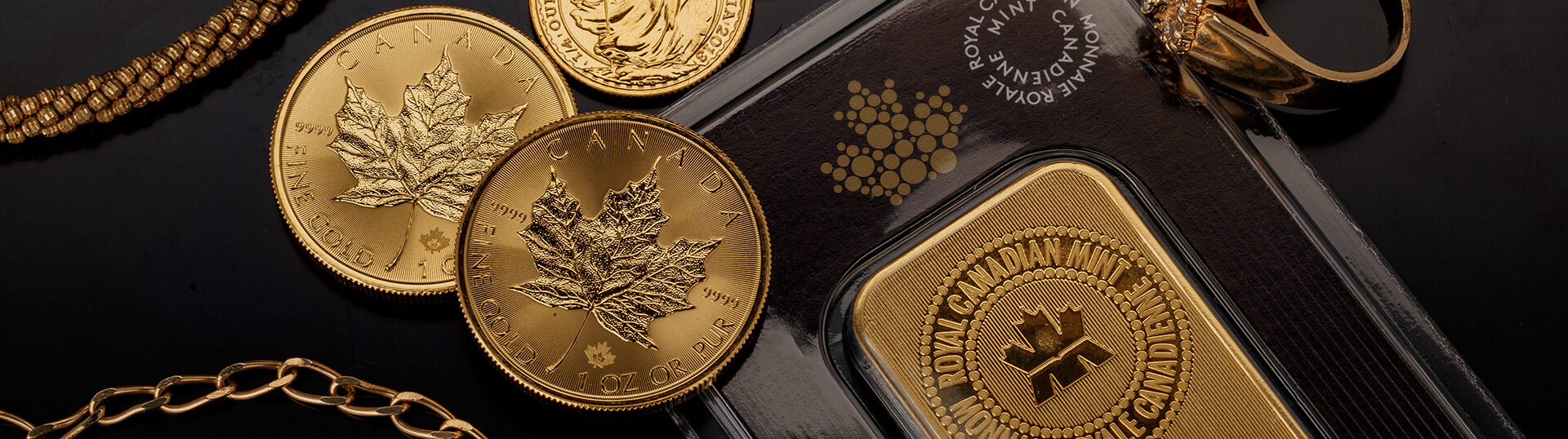
Although currencies are no longer backed by gold, it continues to play an important role in the financial world. Gold is widely regarded as a safe-haven asset, especially during periods of economic uncertainty.
Gold’s role in the monetary system may have changed, but its reputation as a store of value remains strong. For those interested in buying or selling gold, getting started is easier than ever.
Visiting a trusted local dealer like Canada Gold is a great first step. You can explore current pricing, browse a wide range of products, and receive expert guidance. With numerous locations across Canada and the Pacific Northwest, we’re always close by and ready to assist you.
To continue building your knowledge, consider subscribing to our newsletter for updates on the precious metals market and educational content. You can also follow us on Instagram and Facebook to stay informed about trends, pricing, and insights into gold, silver, and other precious metals.