When shopping for jewellery, you’ve likely come across terms like “plated gold” and “pure gold.” While both contain gold, they are quite different in their composition, durability, and monetary value. Having a better understanding of the differences can be helpful in making an informed decision when purchasing accessories.
Solid Gold: A Panorama of Purity
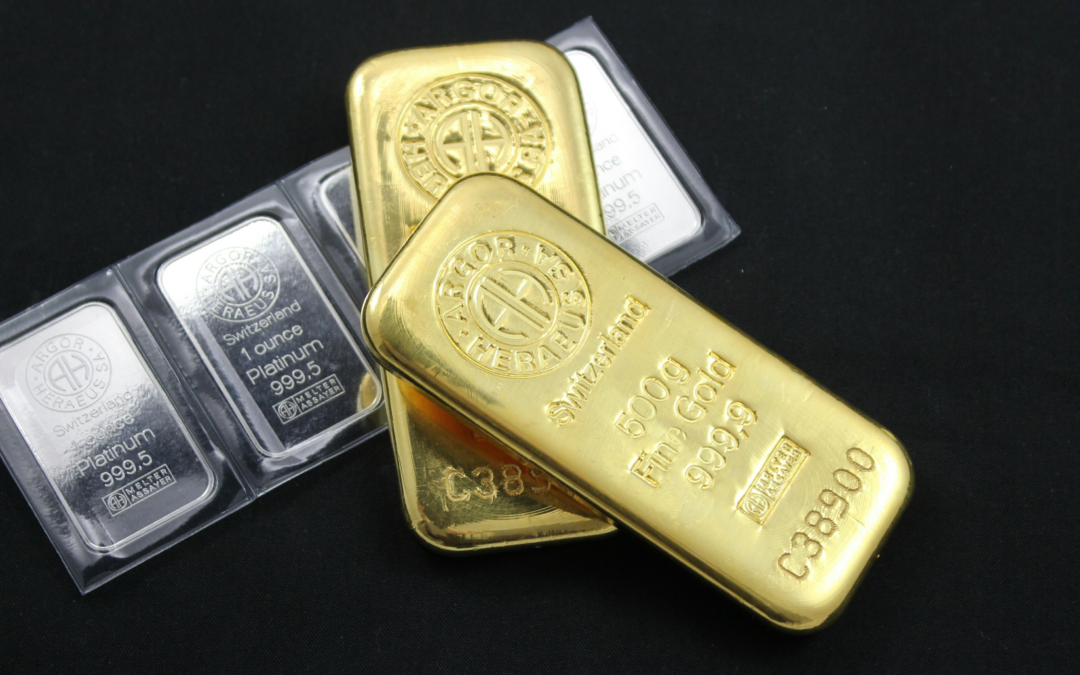
Pure gold, also known as 24 karat gold, is 99.99% gold and has no other metals mixed into it. While this makes it incredibly valuable, pure gold is actually quite soft and therefore not necessarily considered the best choice for items with everyday uses – such as rings – but can be found in decorative and ceremonial pieces.
The more common composition in jewellery is usually 14K or 18K, which are made up of 14 parts or 18 parts gold, respectively, and 10 parts alloy metals (such as copper, silver, and zinc). This helps keep the sturdiness of the piece while still maintaining it’s shine and inability to tarnish.
Plated Gold: An Affordable Alternative
Plated gold, on the other hand, is jewellery made from a base metal (such as copper, brass, or silver) that has a thin layer of gold applied to its surface through a process called “electroplating”. This gold layer can vary in thickness and purity, typically ranging from 10K to 18K, meaning it contains a percentage of gold mixed with other alloys for added durability.
Though this is an excellent choice for those looking for the glimmer on gold but in a more affordable way, gold plated items will eventually wear down and tarnish; they may also cause irritation of the skin depending on the base alloy.
Types of Gold Plating:
- Gold Plated: A very thin layer of gold, typically 1/1000 to 3/1000 of an inch thick, applied over a base metal. This is the most common and least expensive type of gold plating.
- Gold Vermeil: A thicker layer of gold (at least 0.0025 millimeters) applied over sterling silver. This offers better durability and is a higher quality option than standard gold plating.
- Gold Filled: Often grouped with plated items, gold filled pieces have a thick layer of solid gold (must be minimum 5% of the total weight) that have been bonded to a base material, generally brass, through heat and pressure. These items, like their pure counterpart, are tarnish resistant when properly cared for.
Making Your Choice
When deciding between plated gold and pure gold, consider your priorities:
- For Investment, Heirlooms or Decorative Pieces: Pure gold is the better choice for its lasting value and intrinsic worth. Its durability makes this option perfect for jewellery or items that can last for generations.
- For Everyday Fashion: Plated gold offers an attractive and affordable option to enjoy the aesthetics of gold without the premium price tag.
Understanding these differences can help you to choose jewellery that suits your lifestyle and budget. Whether you’re drawn to the timeless elegance of pure gold or the fashionable versatility of plated gold, both offer an array of options to adorn yourself with this precious metal.