Buying precious metals is only half the equation. Once you’ve acquired gold or silver, another important question arises:
Where should you keep it?
Unlike stocks or cryptocurrencies, physical precious metals exist outside the banking system. They don’t require an internet connection, a password, or a brokerage account. That independence is one of their greatest strengths – but it also means owners become responsible for safeguarding them.
Throughout history, people have devised countless ways to protect their wealth. Some methods have stood the test of time, while others have become legendary for all the wrong reasons.
From hidden compartments inside homes to sophisticated professional vaults, here’s a look at the most common ways investors store precious metals – and the advantages and drawbacks of each.
People Have Been Hiding Wealth for Thousands of Years
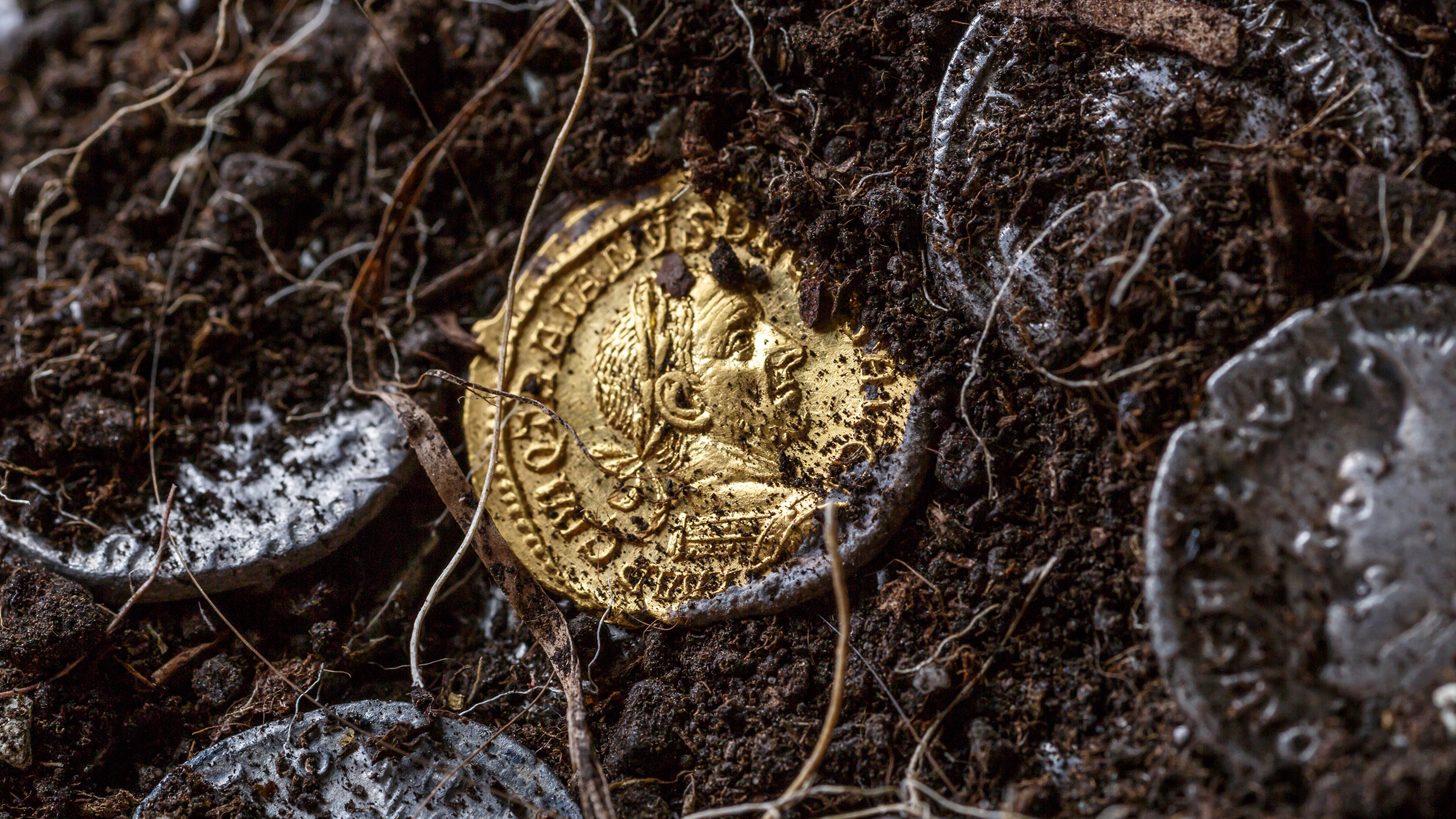
The desire to protect precious metals is nothing new. Archaeologists have uncovered thousands of buried coin hoards dating back to the Roman Empire, the Viking Age, medieval Europe, and beyond. In many cases, historians believe the owners buried their wealth during times of war, invasion, or political unrest, intending to retrieve it later. Tragically, many never returned, leaving their hidden fortunes undiscovered for centuries.
The United Kingdom alone has recorded tens of thousands of treasure discoveries through its Treasure Act and Portable Antiquities Scheme, many of which include gold and silver coins that remained untouched underground for hundreds or even thousands of years.
Home Storage: The Most Popular Choice
For many investors, keeping precious metals at home offers the greatest sense of control.
Their investment is immediately accessible, requires no appointments to retrieve, and isn’t dependent on another institution remaining open during emergencies.
Many people choose to store a modest portion of their holdings at home for exactly these reasons.
However, not all home storage is created equal.
The Household Safe

A quality safe remains one of the most effective home storage solutions.
Modern safes offer features such as:
- Fire resistance
- Water resistance
- Hardened steel construction
- Multiple locking mechanisms
- Bolt-down installation
The biggest mistake isn’t buying a poor-quality safe – it’s buying one that’s too light.
A 100-pound safe can often be carried away by two determined thieves. That’s why security experts recommend anchoring safes securely into concrete whenever possible.
Location also matters.
Rather than placing a safe in the master bedroom closet (where burglars often look first), some homeowners choose less obvious locations such as basements, utility rooms, or hidden built-in installations.
Creative Hiding Places
Not everyone owns a safe.
Some investors prefer to hide their metals throughout their home using concealment rather than heavy security.
Examples include:
- Hidden wall compartments
- False electrical outlets
- Secret floor compartments
- Hollow furniture
- Fake household products
- Hidden shelving
While concealment can delay discovery, experienced burglars often know many of these common tricks.
The more popular a hiding place becomes online, the less secure it generally is.
The Forgotten Fortune Behind the Wall
Every so often, homeowners make remarkable discoveries during renovations. In one widely reported case in France, workers renovating an old house discovered more than 1,000 gold coins hidden inside the walls. Similar finds have occurred in North America and Europe, where previous owners concealed cash, jewellery, and precious metals in chimneys, floorboards, attics, and masonry.
While these stories capture the imagination, they also highlight an important lesson: a hiding place is only effective if someone you trust knows it exists.
Buried Treasure Isn’t Just for Pirates
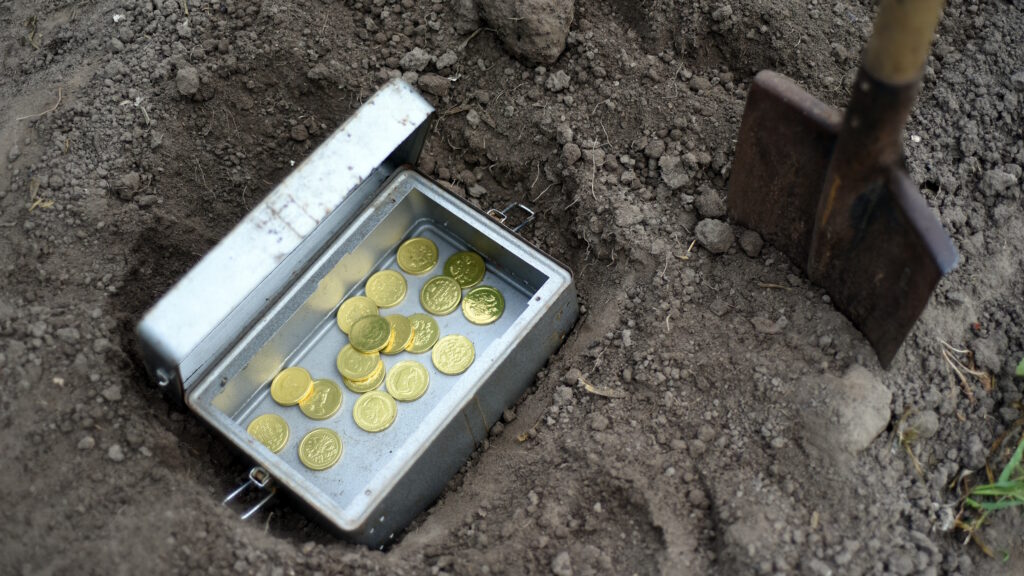
People have been burying precious metals for thousands of years.
Ancient civilizations frequently hid wealth underground during wars or political upheaval. Archaeologists continue discovering buried coin hoards centuries after their owners disappeared.
Even today, some investors choose to bury gold on private property using waterproof containers or PVC tubes.
The approach offers privacy but comes with obvious risks:
- Forgetting the exact location
- Water infiltration
- Corrosion of packaging
- Property changes
- Construction damage
- Future homeowners unknowingly excavating the cache
Every year, metal detector enthusiasts recover valuable coins, jewellery, and bullion that were intentionally – or accidentally – left behind decades earlier.
California’s “Saddle Ridge Hoard”
One of the largest buried gold discoveries in modern American history occurred in California in 2013.
While walking their dog on their property, a couple noticed the edge of a rusty metal can protruding from the ground. Digging further revealed eight cans containing more than 1,400 U.S. gold coins dating from the mid-1800s.
The collection, now known as the Saddle Ridge Hoard, had an estimated market value exceeding US$10 million due to the rarity of many of the coins. To this day, no one knows with certainty who buried the treasure or why it was never recovered.
Stories like this are extraordinarily rare, but they continue to fuel the dreams of treasure hunters everywhere.
Safe Deposit Boxes
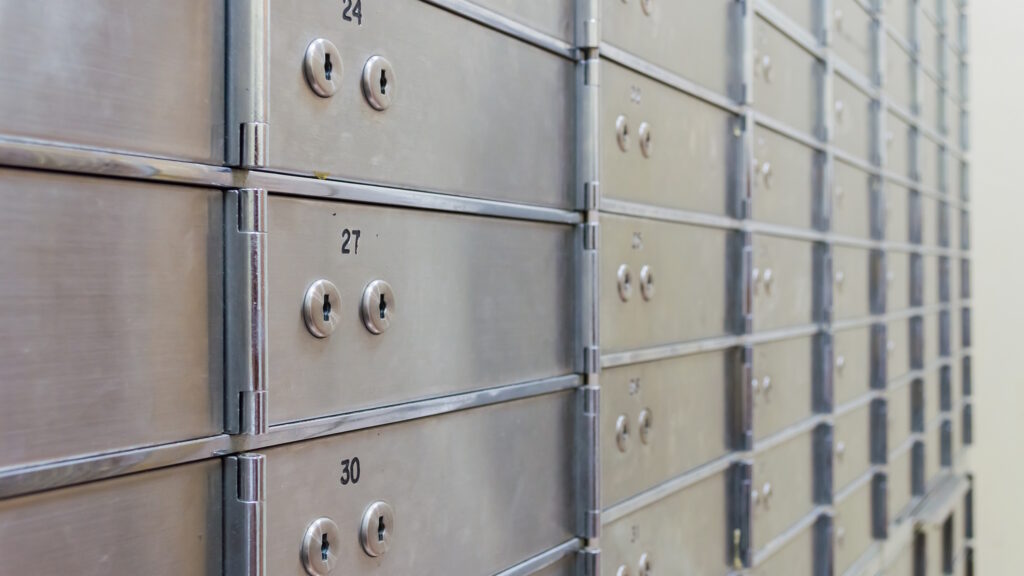
For generations, bank safe deposit boxes were considered the gold standard for storing valuables.
They offer:
- Professional vault security
- Climate-controlled environments
- Reduced risk of household theft
- Physical separation from the home
- However, they also come with limitations.
Boxes are generally only accessible during banking hours, availability can be limited in some regions, and access may become temporarily restricted during holidays, emergencies, or branch closures.
It’s also worth noting that while banks secure the vault itself, the contents of a safe deposit box may not automatically be insured by the bank. Owners should understand exactly what protections – and limitations – apply.
Diversifying Storage

Many experienced precious metals investors follow a simple philosophy:
Don’t keep everything in one place.
Rather than relying on a single storage method, they divide their holdings.
For example:
- Small amount at home for immediate access
- Larger holdings in secure storage
- Collectible coins stored separately
- Family heirlooms kept elsewhere
This approach reduces the impact of any single event, whether it’s theft, fire, or accidental loss.
Just as investors diversify financial portfolios, many also diversify where they store physical wealth.
Hidden Risks People Don’t Consider
Regardless of where precious metals are stored, several risks are often overlooked.
Fire
While gold itself survives extremely high temperatures, packaging, documentation, and collectible holders often do not.
Water Damage
Floods, burst pipes, and humidity can damage packaging, certificates, and silver products.
Forgetfulness
It’s surprisingly common for valuable collections to be forgotten after years in storage.
Many estate sales and home renovations uncover hidden valuables that family members never knew existed.
Insurance
Standard homeowner insurance policies often place surprisingly low limits on precious metals, bullion, and collectible coins.
Owners should review their policy carefully if storing significant value at home.
When Gold Survives but Everything Else Doesn’t
Gold has a melting point of approximately 1,064°C (1,947°F), meaning it often survives house fires that destroy nearly everything else.
However, the same cannot always be said for coin holders, paper certificates, wooden presentation boxes, or packaging. Many collectors have recovered gold coins from fires only to find that their original packaging – and in some cases, documentation supporting collectible value – had been destroyed.
For numismatic collectors, protecting the coin often means protecting everything that accompanies it.
Professional Vault Storage: Security Without the Responsibility

For many investors, there comes a point where storing precious metals at home simply becomes less practical.
As the value of a collection grows, so do the responsibilities. Home safes require careful installation, insurance coverage may be limited, and every move, renovation, vacation, or life event can raise new questions about security.
Professional vault storage removes many of those concerns.
Rather than worrying about where to hide a safe, whether a homeowner’s insurance policy provides sufficient coverage, or how to transport valuable bullion, investors can have their holdings professionally safeguarded in a secure vault while retaining full ownership of their assets.
Au Or du Canada, qualifying purchases can be stored in our professional vault storage program at no additional cost. Unlike many storage providers that charge annual or monthly storage fees, this service is offered as part of your investment, allowing you to enjoy the benefits of professional storage without ongoing storage costs.
The advantages extend well beyond security.
With Canada Gold’s storage program, your bullion is:
- Professionally secured in a high-security vault
- Fully covered under national insurance policies
- Readily available for retrieval whenever you choose
- Accessible through Canada Gold’s network across the country
- Protected without requiring you to install a home safe or rent a bank safe deposit box
For many investors, the greatest benefit is peace of mind.
There is no need to worry about burglary while you’re away on vacation, whether family members know where valuables are hidden, or whether your insurance adequately covers your investment. Instead, your precious metals remain securely stored until you’re ready to sell them or take physical possession.
For long-term investors who view gold and silver as a store of wealth rather than something they need immediate access to every day, professional vault storage can offer an ideal balance between ownership, security, and convenience.
Which Storage Method Is Best?
There is no universal answer.
The best solution depends on several factors:
| Investor Type | Common Storage Choice |
| New investor | Small home safe |
| Collector | Fire-rated safe with humidity control |
| Frequent trader | Professional storage program |
| Long-term wealth preservation | Diversified storage between home and professional vaults |
| Large portfolio | Primarily professional vault storage |
Many investors ultimately combine multiple methods rather than relying on just one.
Even Governments Worry About Storage
Perhaps the most fascinating example of precious metals storage comes from central banks.
Countries collectively store tens of thousands of tonnes of gold in highly secure vaults around the world. Some nations even choose to store portions of their reserves overseas for geopolitical and logistical reasons. During times of international uncertainty, governments have occasionally repatriated their gold reserves back to domestic vaults, demonstrating that concerns about secure storage exist at every level – from individual investors to national treasuries.
History has shown that acquiring gold is only part of preserving wealth. Roman merchants buried coin hoards during invasions. Medieval families concealed valuables beneath stone floors. Modern investors install safes, rent vaults, or use professional storage programs.
The methods have evolved, but the objective has remained remarkably consistent for more than two thousand years: protect your wealth today so it’s still there tomorrow.